














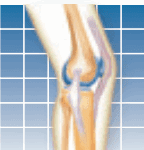



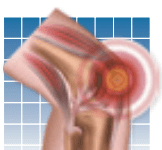


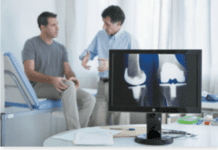



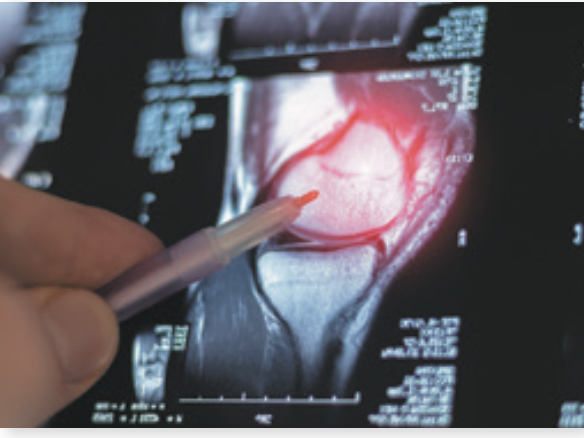
When a painful joint suggests osteoarthritis, an x-ray is often the first, and sometimes the only, imaging needed. Osteoarthritis occurs from wear and tear on a joint resulting in damage to the cartilage that is essential for normal joint movement. Associated imaging findings can be seen on x-ray, computed tomography (CT) scan, and magnetic resonance imaging (MRI). “The definitive treatment for osteoarthritis is joint replacement surgery,” says Cleveland Clinic musculoskeletal radiologist Faysal Altahawi, MD, “and there are not currently effective treatments available to slow or reverse osteoarthritis.” Dr. Altahawi attended medical school at Cleveland Clinic and joined the radiology staff in 2018. “Some interventions, such as injections, can help with symptoms and delay the need for joint replacement, but we do not have good interventions to reverse or stop the visible damage to the joint on imaging.”